Don Klekamp Honors Family with Transformational Gift to Pets In Need

Don

By Sharon Boyles

Don

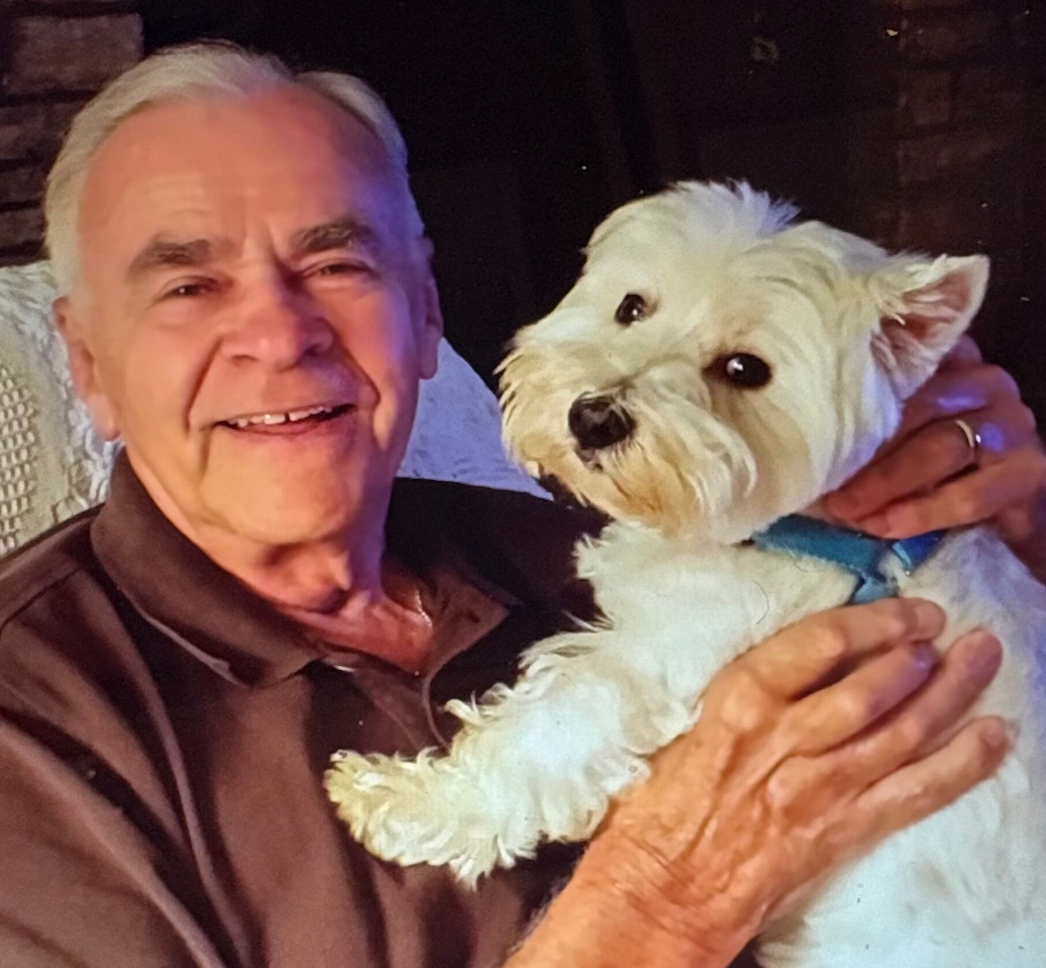
Pets In Need of Greater Cincinnati is proud to recognize a transformational gift from Don Klekamp, whose lifelong legacy of service, compassion, and generosity continues to uplift and inspire our community. In loving memory of his late wife, Marianne, and their cherished Westie, Lily,

Don has made a remarkable $100,000 contribution to help families facing financial hardship access critical, and often lifesaving, veterinary care. A lifelong Cincinnatian and recipient of the Great Living Cincinnatian Award, Don Klekamp has made a lasting impact on the city he calls home. He was an original shareholder and longtime director at Cintas Corporation for most of his career and is a founding partner at Keating Muething & Klekamp PLL, where he remains active today. Among many honors throughout his distinguished legal and civic career, he was most recently awarded the St. Francis Xavier Medal by Xavier University, a distinction that is given to few and speaks volumes about his character, contributions, and commitment to service.

Despite his many achievements, Don is quick to credit those around him. In every conversation, he brings it back to family – his devoted parents and siblings, his beloved late wife, Marianne, and their five children. “I was raised in a home filled with faith, family values, a strong work ethic, and a moral compass,” he shared. “My late wife was my foundation, my rock. Together we raised a wonderful family, built meaningful personal and professional relationships, and created a life rooted in gratitude and generosity.” Don’s giving is as thoughtful as it is generous. “It brings me great joy to give back,” he says, “whether in support of law, causes that reflect my passions, or most recently, in honor of Marianne’s passions.” That includes supporting her college sorority, programs that provide the arts for youth, and now, a cause dear to both their hearts: pets.
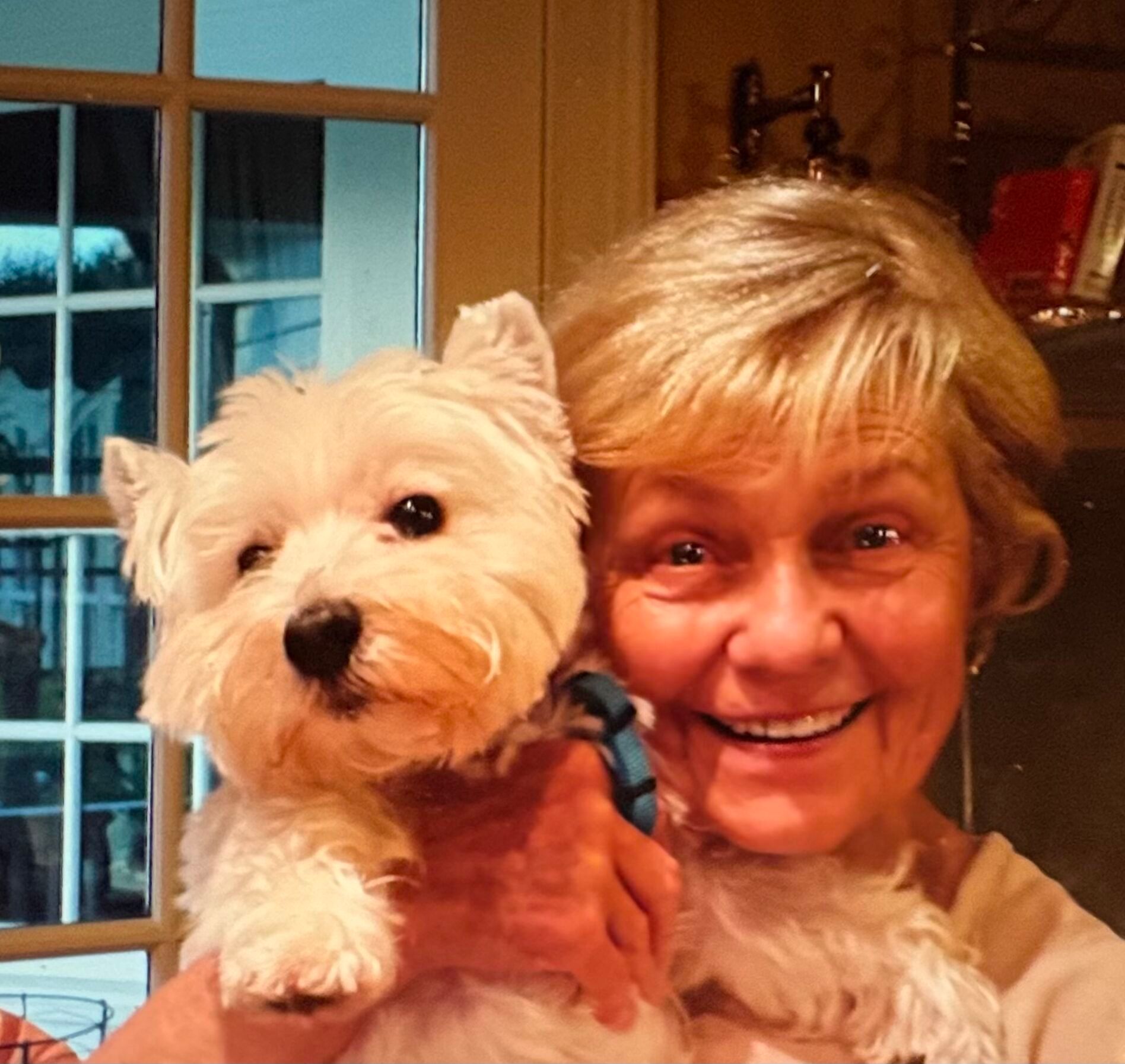
 

Marianne

“Don’s gift to Pets In Need will not only support families in crisis, those facing poverty, housing instability, or other challenges that put veterinary care out of reach, but will also help invest in the veterinary professionals who make our mission possible,” said Pam McKie, Executive Director of Pets In Need. “This extraordinary generosity helps keep pets healthy and in the homes of the families who love them. It truly keeps pets and people together.” Through his thoughtful philanthropy, Don Klekamp honors the people and values that shaped his life while creating a legacy of care, compassion, and community impact that will be felt for years to come.

Pets In Need of Greater Cincinnati Pets In Need is committed to helping pets stay healthy and together with the people who love them. Its clinic in Lockland provides comprehensive, low-cost veterinary services for pets from homes in which income is at or below 200% of the federal poverty level. The clinic is the only resource of its kind in Greater Cincinnati, serving over 3,000 pets each year. Our compassionate team is committed to supporting both our clients and their pets with kindness and care. To learn more about Pets In Need and the services it provides, please visit www.PINCincinnati.org.

Keep Your Hot Dog Cool!

By: Sharon Boyles

Most people know better than to leave their pup in the car in the summertime heat, but many pet owners don’t think about it, and hundreds of pets either succumb to heatstroke or are rescued from hot cars each year.

When it’s super hot outside, the temperature inside a parked car can climb to 140 degrees in less than one hour. The common practice of leaving the windows cracked open doesn’t help much. The inside of a vehicle in even 70-degree weather can reach 100 degrees in just 20 minutes, so even if the windows are cracked, it doesn’t make a whole lot of difference. A quick trip into a store for “just a minute” could turn out to be deadly for your pup.

More than 30 states have laws to prevent people from leaving their animals unattended in vehicles under dangerous conditions and some states, including Ohio, provide some kind of civil immunity for people who rescue an animal in distress. The Buckeye State doesn’t have any laws against leaving a dog in a hot car, but this action can be considered animal cruelty under ORC 959.131, and you can face animal cruelty charges if someone reports you or if the police are called to rescue the dog.

Regardless of breed, size, or coat length, all dogs are susceptible to heatstroke, and some brachycephalic dogs (such as pugs and bulldogs) may be more sensitive to high heat and humidity. Owners of these types of dogs should take extra care when traveling with them.

If you see a dog in a parked car on a hot day and the animal appears to be in distress (excessive panting, lethargy, vomiting, foaming at the mouth, muscle tremors), it’s important to take action. But what kind of action? And what about liability and damages? According to Ohio law, if you take certain steps to rescue an animal in clear distress, you are considered immune from civil liability. These steps are:

(1) Determine that the vehicle is locked or there is otherwise no reasonable method for the animal to exit the vehicle.

(2) Have a good faith belief that forcible entry into the vehicle is necessary because the animal is in imminent danger of suffering harm (injury or death) if not immediately removed from the vehicle and, based upon the circumstances known to the person at the time, the belief is a reasonable one.

(3) Make a good faith effort to contact the local law enforcement agency, the fire department, or a 9-1-1 operator prior to forcibly entering the vehicle. If contact is not possible prior to forcibly entering the vehicle, the person shall make contact as soon as possible after forcibly entering the vehicle.

(4) Make a good faith effort to place a notice on the vehicle’s windshield with the person’s contact information, the reason the entry was made, the location of the animal, and the fact that the authorities have been notified.

(5) Remain with the animal in a safe location until law enforcement or emergency responders arrive.

(6) Use not more force to enter the vehicle and remove the animal from the vehicle than was necessary under the circumstances.

To help keep everyone safe, it’s best to leave your pup at home on hot days, especially if you’re going to be away for several hours. If this isn’t possible, then bring fresh, cool water along so your pup can stay hydrated, and have another person with you to keep the car AC on or fans running in the car while you’re doing your shopping. Keep your hot dog cool!

Better Care for Your Betta

Beta Fish

By: Sonya Stone

Many people think that caring for a betta fish is simple. Drop him or her into a fishbowl, and you’re pretty much done. But to ensure that your friend has a long and happy life, proper care needs to extend far beyond the fish bowl.

Betta fish, also known as Siamese fighting fish, are favorites among freshwater aquarists because of their beautiful colors, graceful movement, and strong personalities. Anyone who has ever had a betta knows that this is a small fish with a big attitude! Male bettas are very territorial, and for this reason it’s important that they be housed either alone or with a female betta. If you plan on keeping a male and female betta together, do some research first. Female bettas can be housed together (this is called a sorority), and you’ll need to have at least five fish, so they don’t start harassing each other.

It’s a common misconception that bettas are content in novelty tanks, nano tanks, or fishbowls. It might look cute and Zen to have a fish in a tiny bowl, but the cramped living space actually causes your fish a lot of stress. Bettas enjoy having territory to patrol and enough space to swim around and explore. Some bettas kept in a small habitat will become anxious or jump out of the bowl in an attempt to find more room. This doesn’t end well for anyone, so please keep your betta happy in a five- or ten-gallon tank.

Bettas love greenery in their tank because it emulates their natural habitat and provides them with places to hide, nap, and hang out. You can aquascape your tank with either live aquatic plants or silk plants. Avoid anything with sharp edges, such as plastic plants or certain décor. Bettas have delicate fins, and it’s easy for them to be torn. You can also put live plants, such as pothos, along the top of the tank and allow the roots to trail in the water to help oxygenate and filter the water. Try to keep the leaves out of the water and make sure the surface of the tank isn’t completely covered with greenery, because bettas are labyrinth breathers and take oxygen directly from the air.

If it’s too cold (or hot) for you, it’s probably too cold or hot for your betta. Bettas prefer a stable temperature in the 78-degree range, so buy a good tank heater for winter, and if the summer heat is giving your betta the blues, float a small bag of ice at the top of the tank or place a small fan so it blows over the top of the water. Check the tank temperature frequently to make sure it’s not dropping too rapidly.

Bettas are typically eager to eat, and it’s fun to watch them snapping up their meals. Because they are carnivores, be sure to offer a quality, high-protein food, such as Fluval Bug Bites. Most pet store betta food is made from plants, which are difficult for a betta to digest. You can supplement their diet with freeze-dried or frozen bloodworms, frozen brine shrimp, mosquito larvae, or daphnia. Bettas are wired to keep eating as long as there’s food around, so be sure to avoid the common mistake of overfeeding. Give your fish 2-3 pellets once or twice a day, and treats, such as bloodworms, once or twice a week.

Caring for a betta isn’t hard, but it does require dedication and attention. With an understanding of proper care, you can ensure that your betta has a long and happy life.

Lost the Race…Won Our Hearts! Greyhound Adoption of Greater Cincinnati

Greyhound Dogs

By: Sharon Boyles

For 23 years, Greyhound Adoption of Greater Cincinnati (GAGC) has been finding greyt homes for retired racing greyhounds.  Founded in 2002 by three families, President Brenda Pennix has adopted 11 greyhounds during that time, and currently has three greyhounds and a whippet. “When we started, if we placed one dog a month, we’d be happy,” Brenda says “We find homes for about 100 retired racers a year now, and in one year 130 greyhounds found their forever homes.”

GAGC’s primary goal is to provide service and support to their present and future Cincinnati/Dayton area adopters. The organization cultivates a strong focus on being small and doing things right, and although they aren’t able to offer homes to an unlimited number of greyhounds, the intention is to make a difference in the lives of the ones they place. Besides finding loving homes for retired racers, GAGC also works to educate the public about greyhounds and share the love through visits to local schools and nursing homes.

Why are greyhounds retired from racing? Just like racehorses, a greyhound’s career has a lifespan, which is typically 2-5 years. The mandatory retirement age is five. Sometimes, if a young racer doesn’t run fast enough or performs poorly in the maiden races, they aren’t selected to race at the tracks, and they become eligible for adoption.

 When a dog retires, GAGC is notified and picks the dog up from the track. The trainers give GAGC the medical records and NGA certificates, along with a little bit of history about each dog. “I personally go to the track and enjoy seeing them race and seeing them in their kennel environment,” Brenda says. “They are treated well and loved by their handlers. We then give them to our foster families who evaluate and learn their personalities. When someone submits an application, we do several interviews to help determine which one of our dogs would fit best with that family.”

GAGC has a strict adoption policy and will only adopt out to families who live in a house and those households with children over age 10. Potential adopters must fill out an application, after which there is a phone interview. Brenda suggests that anyone interested in adopting a greyhound should first do their research, because she has a lot of questions for anyone wishing to adopt! The potential family will then do a meet and greet to see if there is a match. If there is, then a home meet and greet with the dog is scheduled so Brenda and Kathy can evaluate the house and yard and talk some more about what it’s like to have a greyhound in the family. If everything works out, the adoption is done on the spot. The adoption process can take 2-3 weeks. There’s a lot that goes into finding the right fit!

“We’re a nonprofit organization, and no one is paid,” Brenda says. “But my payday is when I find a good home for a dog.”

 Greyhounds take retirement very seriously ” They’re 45 mile-an-hour couch potatoes,” Brenda laughs. “They can beat a horse off the line because they are sprinters, but they choose not to.”  She points out that the dogs are treated very well at the track.  There are only two remaining dog tracks in the USA.  “Our organization would be very sad if all tracks closed and there would no longer be racers available who make GREYT pets,” Brenda says.

Anyone considering adopting a greyhound should know that they are special-needs dogs, but they also have a lot of interesting qualities.  “They are unique and different from any other breed,” Brenda explains “Everything about a greyhound is different, their bodies are built for speed, they tend to have enlarged hearts because they are athletes, they have only one layer of hair, and their backbone is similar to a cat’s, giving them a flexible spine for speed.” Even though they all have different personalities, they all need routine and stability.  As a pet, greyhounds are laid back, clean and relatively easy to care for. They have only one layer of hair, which is a plus because there is no doggy odor, but it’s also important to keep them warm in the winter, and coats are necessary for long walks.  Brenda jokes that having one greyhound in the family might just lead to another. “Greyhounds are like potato chips,” she says “You can’t have just one!”

All GAGC dogs are tested to make sure they are truly cat safe and won’t chase Fluffy, and they are also checked by a vet for heartworm or other issues. All dogs are also spayed/neutered, vaccinated, wormed, and groomed, and each dog receives a dental exam and cleaning.

“Finding homes for these greyt dogs takes a TEAM effort,” Brenda says. “And all of our members support our mission to find the best home possible for every retired racer we get!”

GAGC is planning two Meet and Greet Picnics this year, and everyone is welcome! Both are at Keehner Park in West Chester, and the dates are May 17 and September 27. For more information about these events or about GAGC, visit https://www.cincigreyhounds.org/

Pets In Need of Greater Cincinnati: Helping Pets and People

Pet in need of vet care

By Talandor Elias

A skinny senior dog with a dry coat and rotten teeth roaming the streets of Hartwell was all the inspiration Barb Lichtenstein needed to become a volunteer with Pets In Need of Greater Cincinnati (PIN) thirteen years ago. “Our veterinarian discovered he had Cushing’s Disease. He had likely been abandoned on the streets by someone who either couldn’t or didn’t want to spend money on his health care,” Barb says. She was horrified to learn that this happens frequently. “I realized how fortunate I was to be able to afford full veterinary care and decided to get involved with a nonprofit veterinary clinic to help people of limited means take care of their pets.”

At the time, the only nonprofit vet clinics around were limited to basic wellness care or spay/neuter. None could treat diseases. When Pets In Need opened their doors in 2012 as a full-service nonprofit veterinary clinic, it was not only unique in the Tristate region but also one of the very first such clinics in the US!

Barb is now the Chairman of the Board, but her work with the clinic began as a volunteer, signing people in, bringing out water and treats, and talking with people about their pets. “Our clients love and depend on their pets for companionship, and they are trying to do their best for their pets in difficult circumstances. They are so grateful to Pets In Need,” she says.

Pets In Need offers a wide range of services for cats and dogs, including basic exams and vaccinations, treatment of infections and allergies, and management of chronic diseases such as diabetes. Many diagnostic tests and blood work are done at the clinic. Partner Vet, Lewis Animal Hospital, performs X-rays at a discounted rate. (PIN pays part of the cost and the client pays the low fee.) PIN’s in-house pharmacy dispenses prescription and non-prescription medications.

The clinic offers same-day surgery and dentals in its new two-room suite. Surgeries range from spay/neuter to mass removals, enucleations, and even amputations. Dentals can be anything from simple exams and cleaning to removal of teeth.

With kindness and respect for pets and their people, the veterinarians and veterinarian assistants provide long-term palliative care to relieve pain and distress. When it’s clear that it’s time for a pet to cross the Rainbow Bridge, euthanasia is carried out with the utmost compassion and care, ensuring a peaceful experience for both the pet and their people. Financial assistance is available for individual cremation services, with the ashes returned to the family, along with a keepsake of their pet’s paw print.

The clinic is conveniently located in Lockland, with access via Interstates 71, 75 and Ronald Reagan Highway. “We draw patients from the entire Tri-state region,” Barb explains. “There are no geographic limits. The only qualification is that the people we serve are living at or under 200% of the federal poverty level or they qualify as a special population living at a limited or fixed income.” Client copays are kept as low as possible, and payment plans can be worked out. PIN’s goal is to make care affordable.

The organization is led by Executive Director, Pam McKie, who succeeds Founder Ann R. Hill. Pam is an animal lover, as are all the people affiliated with PIN. She is currently devoted to her rescue cat, Buckeye, whose vision Pam restored. She is a trained social worker who understands the challenges clients face and can refer them to service agencies. Pam is also an excellent, well-respected business leader.

Staff includes a lead veterinarian plus three supporting veterinarians. One or two of them perform the clinic’s surgeries and dental procedures. A practice manager, a Registered Veterinary Technician, plus three veterinary assistants work alongside the veterinarians to provide extraordinary care to these vulnerable pets and their owners. As Pam says, “the entire staff is committed to being kind, compassionate, and respectful, not only to the dogs and cats served, but also their people.”

More than 3,000 pet owners are supported each year, and that number is growing. On average, Pets In Need receives 20+ phone calls a day from potential new clients, resulting in 20+ appointments scheduled for new clients weekly. “It’s a thrill and a huge relief to be able to help people,” Pam says. “We plan to expand our services and our hours of operation, if we can raise the money.”

PIN is grateful for the tremendous support from national grantors, PetSmart Charities, which will help PIN advance to the next level, and from Petco Love for veterinary supplies. PIN also greatly appreciates the generous support from local grantors like Kenneth A. Scott Foundation, Elsa Heisel Sule Foundation, Greater Cincinnati Foundation, and Joanie Bernard Foundation. Pets In Need draws most of its support from private individuals and volunteers, as well as trusts and legacy gifts. “They keep the wheels turning every day and keep client fees affordable. We’ve got a great base right now, but we want to expand,” Pam explains.

Pets In Need has a few dreams in the making. “We want to be more accessible, and we’re looking at transportation and other resources that will enable those who are elderly, veterans, without shelter, or living with a disability get to out clinic,” Pam shares. “There are whole segments of the population who could use our services that we’d like to serve.”

Would you like to support Pets In Need? While financial contributions are our top priority, the clinic is always looking for donated items, such as towels, blankets, bedding, toys, current medicines, and prescription food. If you’d like to donate or volunteer, visit https://pincincinnati.org/.

If you’d like to visit the clinic, please email [email protected], and put Attn. P. McKie in the subject line. The address is 520 W. Wyoming Avenue, Cincinnati 45215, and the phone number is (513) 761-7387.

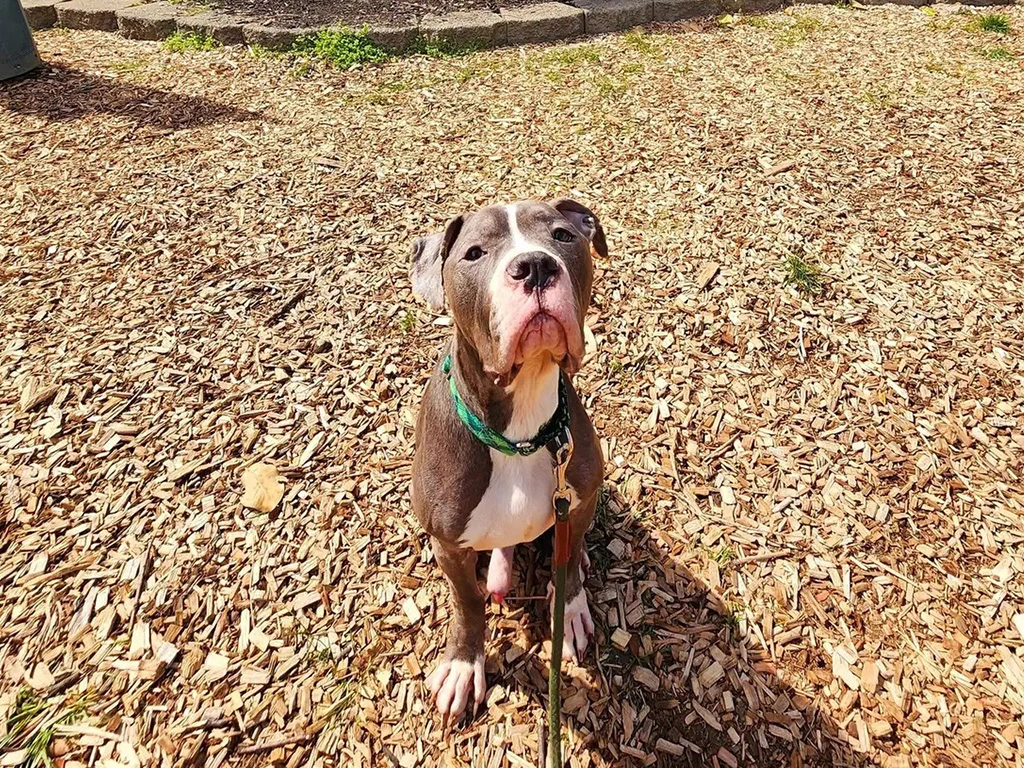
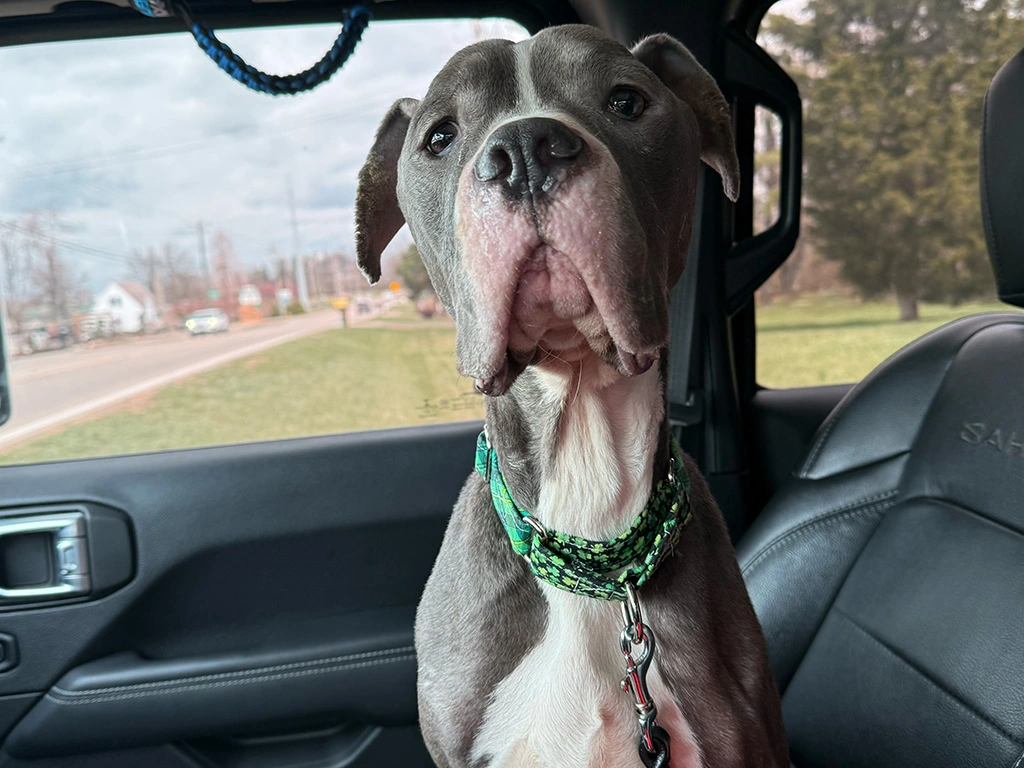
From Stray to Star: The Remarkable Recovery of French Fry

By: Jennifer Martinez

In March 2025, a severely emaciated dog was found wandering the streets of Price Hill, Ohio. The frail pup, later named French Fry, was rescued by a kindhearted individual and taken to Cincinnati Animal CARE, the county’s open-intake shelter. The dog’s condition was critical—his ribs visible, his energy low, and his future uncertain.

“He was strikingly thin,” said Lisa Colina, community support manager at the shelter. “We see a lot of tough cases, but French Fry’s condition really stayed with us.” The shelter’s medical team sprang into action, initiating a carefully planned refeeding regimen. For animals as malnourished as French Fry, recovery must be approached with great caution. Overfeeding too quickly can cause serious complications, including organ failure. The team focused on slow, steady nutrition and close monitoring to ensure his safety and comfort.

Despite his physical weakness, French Fry showed signs of sweetness and resilience. As the days passed, his eyes began to brighten and his tail began to wag. Once his condition stabilized, he was ready for a foster home—a safe space to rest, heal, and rediscover what it meant to feel secure.

That’s when Patty Todd and her husband, Jessie James, stepped in. Together, they fostered French Fry for a week, combining their love of animals with a deep commitment to community care. Patty, co-owner of the mobile pet grooming service Nails & Tails, and Jessie, owner of JJ’s Towing Services, are both known locally not only for their businesses but also for their shared passion for animal welfare. Through JJ’s Towing, the couple regularly supports local shelters and rescue efforts—using their platform to give back to those who can’t speak for themselves.

During his stay with Patty and Jessie, French Fry gained more than weight—he gained trust. “He has definitely blossomed and he has done so well,” Patty said, watching the once-fragile dog learn how to enjoy life again. With calm care and affection, French Fry began to thrive.

Soon after, French Fry was adopted into a loving forever home, where he continues to grow stronger each day. His transformation—from a neglected stray to a healthy, joyful companion—represents the powerful impact of teamwork, compassion, and community-driven rescue work.

Today, French Fry is thriving in his new home, surrounded by warmth, care, and the love he always deserved. His journey has inspired many in the Cincinnati area and beyond, shining a light on the incredible work of organizations like Cincinnati Animal CARE and the devoted individuals—like Patty and Jessie—who step up when it matters most. French Fry’s story is not just about survival; it’s about what’s possible when people choose kindness, and when second chances are given with open hearts.

Stray French Fry the Dog
Stray Dog French Fry